
Today, we’re talking to you average-skilled DIY’ers who are just starting to dream about turning that spare room, basement, or whatever into your own personal home theater. You know the vibe: big screen, killer sound, popcorn, maybe a hidden fridge stocked with your go-to brews. But hold your horses—we’re not swinging hammers or busting open walls just yet. This episode is all about the smart first steps, the “first 10 things to do before you make a mess you can’t undo.”
Grab a cold one, kick back, and let’s dive in. I’ll keep it real, throw in some of my own near-miss stories, and remind you that good planning saves you from turning your dream theater into a expensive comedy of errors.
Number 1: Assess Your Space Like a Real Estate Mogul (Minus the Suit) First things first—get in there with a tape measure, notepad, and maybe a beer for moral support. Measure everything: length, width, height, door swings, window locations, HVAC vents, you name it. Sketch a rough floor plan—doesn’t have to be perfect.
Here are a couple of examples of folks measuring and sketching their basement spaces before they even think about drywall:


Trust me, I once ignored a low ceiling beam and ended up with a projector that felt like it was mounted on Mount Everest. Note any existing outlets or weird spots that could mess with your layout.
Number 2: Define Your Theater Dreams—What’s the Endgame? Sit down (with a drink, obviously) and brainstorm. Is this for Netflix binge sessions, epic gaming, or Super Bowl parties where the only drama is the game itself? List your must-haves: massive screen? Surround sound that shakes the house? Cozy couple spot? Be honest about your tech skills—if you’re not a gadget wizard, keep it simple to avoid a sci-fi nightmare.
Number 3: Set a Realistic Budget (And Stick to It, Unlike My Bar Tab) Time for the money talk. Ballpark the big stuff: projector or TV ($500–$5,000), speakers ($200–$2,000+), seating, wiring, paint, soundproofing… then add 20% for those inevitable “oops” moments. Track it in a simple spreadsheet or app. I learned the hard way—budget speakers that sounded like they were recorded underwater? Yeah, not fun.
Number 4: Research Your Gear Without Going Down the Rabbit Hole Hit up CNET, AVS Forum, or r/hometheater on Reddit. Decide on screen size (100–150 inches is immersive but scale it to your room), projector vs. OLED TV, 5.1 surround for beginners. Window-shop only—no impulse buys. I once grabbed a soundbar that was louder than my neighbor’s mower… lesson learned: read real user stories from everyday folks like us.
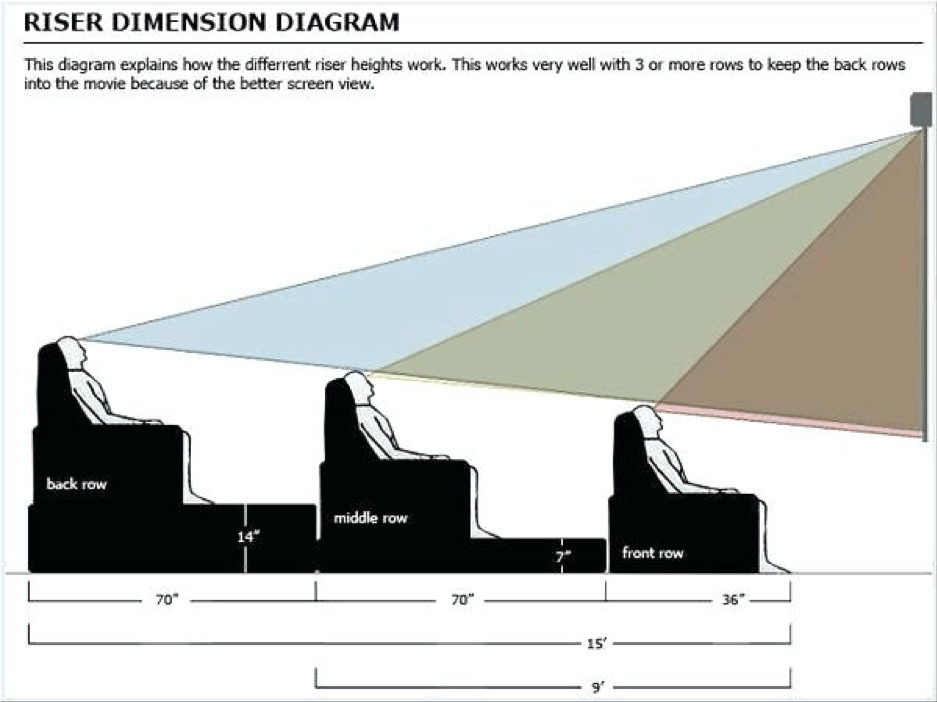
Number 5: Plan the Seating Setup—Comfort is King This is where the magic happens. Couches, recliners, or stadium-style rows? Figure viewing distance (roughly 1.5–2.5 times the screen diagonal). Stagger seats if multi-row. Check out affordable spots like IKEA or Wayfair.
Check these seating layout ideas—see how they flow in different rooms:
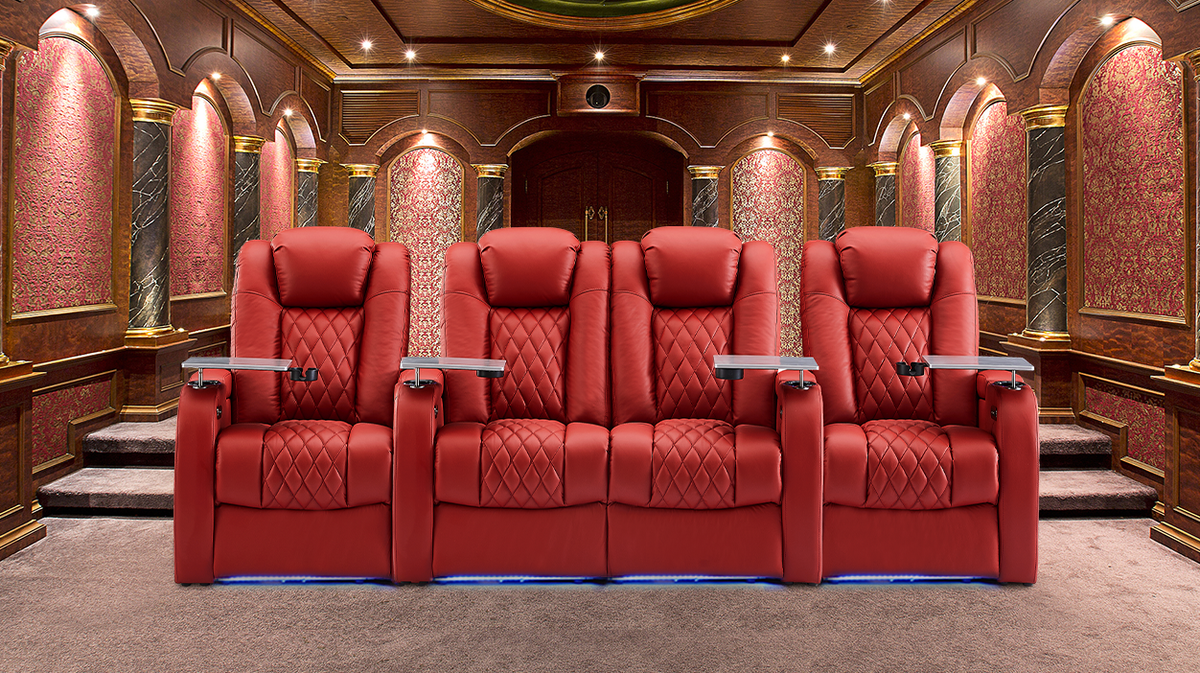
Skip the bean bags unless you want chaos after a few drinks.
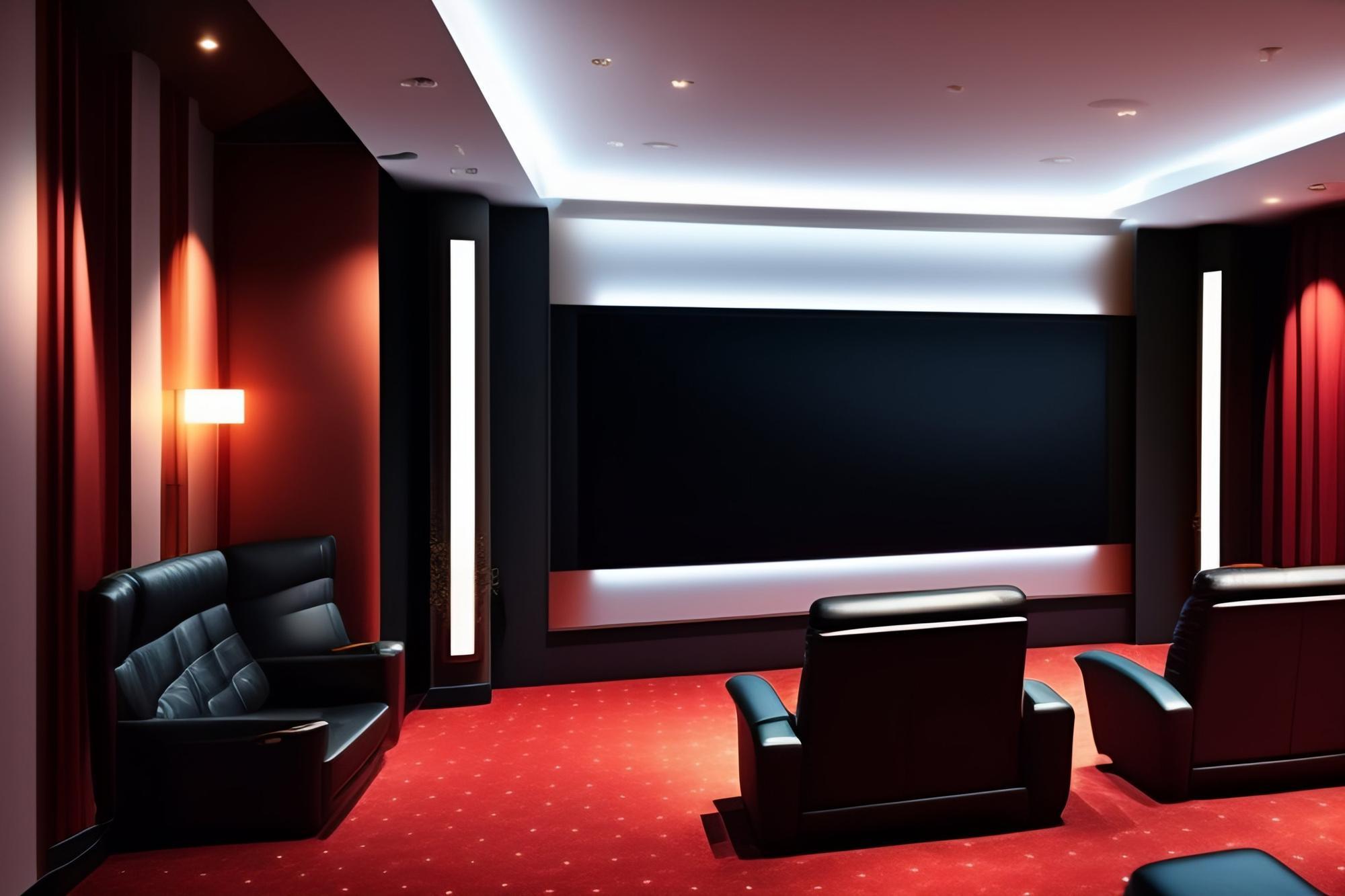
Number 6: Tackle Acoustics and Lighting Early—Don’t Let Echoes Ruin the Party Hard floors and bare walls = echo chamber from hell. Plan rugs, curtains, acoustic panels. For lighting, go dimmable LEDs or smart bulbs—no harsh overheads killing the cinema mood. Bias lighting behind the screen is a game-changer.
Here are some real-world acoustic treatments that actually look good:
Number 7: Map Out Electrical and Wiring Needs Count outlets—you’ll need plenty for the screen, amp, lights, popcorn machine (priorities). Plan cable runs for HDMI, speakers, Ethernet (wired beats Wi-Fi for reliability). If wiring scares you, flag spots for an electrician. Safety first: overloaded circuits = bad news.
Quick visual on wiring basics:

Number 8: Check Local Codes and Permits—Bureaucracy Sucks, But So Does a Fine Google your city’s building codes for home theaters. Adding walls, electrical, or major soundproofing? Permits might be needed. HOA? Chat with them early—they can be real buzzkills. I skipped this on a deck once and got a fun inspector note. Don’t be me.
Number 9: Gather Your Tools and Materials List—Inventory Time List what you have (drill, saw, level) and what you’ll need (stud finder, wire strippers, laser level). Safety gear: goggles, gloves—DIY without blood is the goal. Borrow from buddies and repay with theater invites.
Number 10: Consult the Pros or Community for Sanity Checks Even us regular guys need backup. Post plans in the group, on DIY Audio, or Reddit. Maybe hire an AV consultant for an hour ($100–$200). Structural? Talk to a contractor. It’s not cheating—it’s smart. I crowdsourced my first setup and dodged a major wiring disaster.
There you have it, folks—the top 10 pre-hammer moves to kick off your DIY home theater without regrets. Planning’s like foreplay: skip it, and things get awkward fast.